

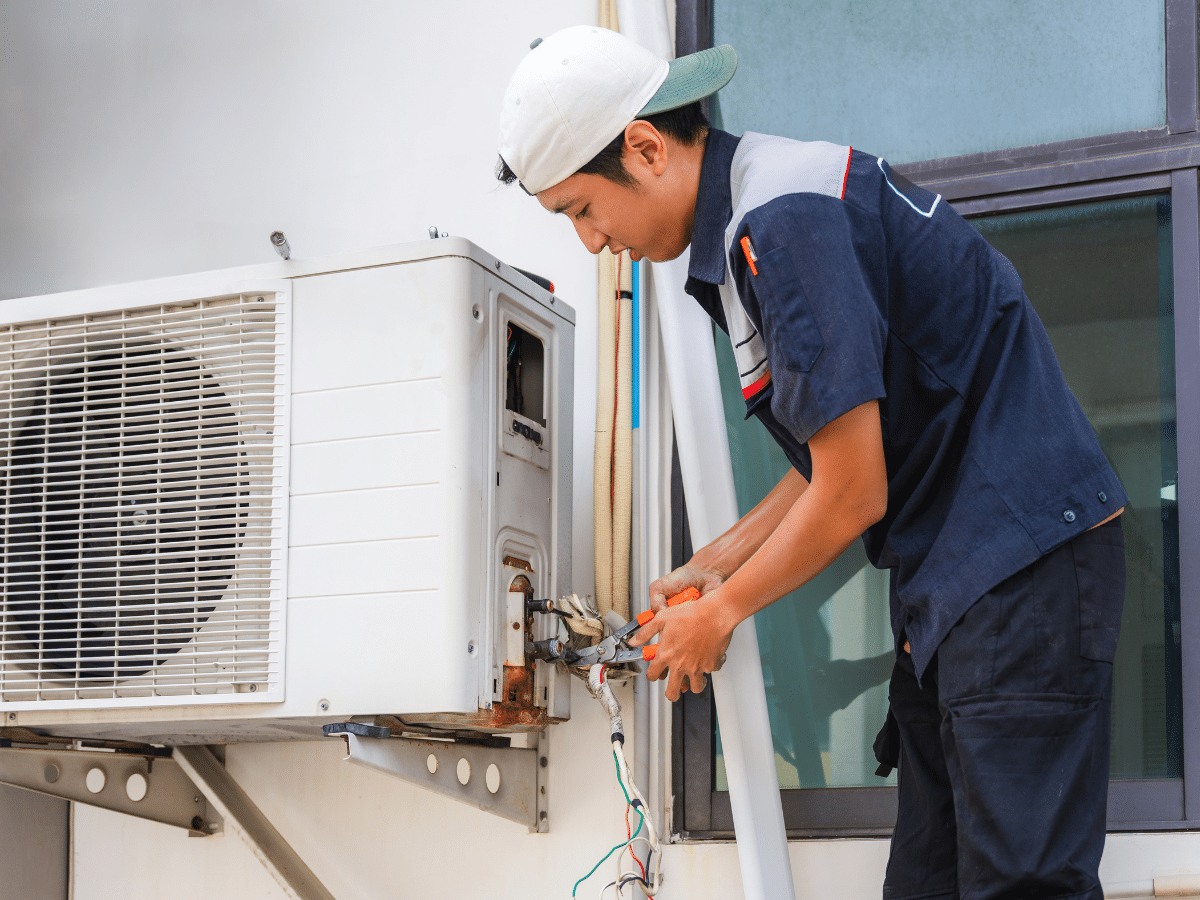
Most HVAC business owners in Australia underestimate the risks that can shut down operations overnight. When you don’t have the right HVAC insurance Australia offers, a single claim can cost you thousands or more.
This guide breaks down what business insurance for HVAC covers, the cost of HVAC insurance, and how to compare HVAC insurance options so you get the coverage your business truly needs.
Understanding HVAC Insurance in Australia
Insurance plays a crucial role in safeguarding your HVAC business. Without it, unexpected events could lead to significant financial losses.
Importance of Business Insurance for HVAC
You might wonder why insurance is essential for your HVAC business. Simply put, it shields you from unforeseen expenses. An accident at a job site can lead to costly claims. With the right policy, those costs won’t come out of your pocket.
Insurance also enhances your credibility. Clients feel more secure knowing you’re insured, which can lead to more business. It’s not just about protection; it’s about trust and growth.
Key Differences in HVAC Coverage Options
Not all HVAC insurance options are created equal. Some cover general liability, which protects against injury or property damage claims. Others might include coverage for your tools and equipment. Then there’s workers’ compensation, which is crucial if you have employees.
Each type of coverage serves a different purpose. Understanding these differences helps you choose what’s best for your business. After all, your needs are unique, and your insurance should reflect that.
Common Misconceptions About HVAC Insurance
Many business owners think insurance is a one-size-fits-all deal. In reality, your policy should match your specific risks. Another misconception is that the cheapest option is best.
While saving money is important, inadequate coverage can cost you more in the long run. Some also believe that once you have insurance, you’re set for life. Remember, your business evolves, and so should your insurance.
Cost of HVAC Insurance Explained
Understanding the cost is vital, but it’s about more than just the price tag. Let’s explore what affects these expenses.
Factors Influencing Insurance Costs
Several factors determine your insurance costs. The size of your business is one. A larger operation might face higher rates due to increased risk. Your location also matters. Urban areas might have different rates compared to rural ones.
Claims history is another key factor. A history of claims can increase your premiums. Lastly, the type of coverage you choose will impact the cost. Each of these factors plays a role in determining your final quote.
Comparing HVAC Insurance Quotes
Shopping for insurance might seem daunting, but it’s crucial. Start by gathering quotes from multiple providers. Look beyond the price. Consider what’s included in the coverage. A cheaper policy might lack essential protection. Also, check the provider’s reputation.
You want a company that’s reliable when it matters most. Comparing quotes isn’t just about finding the lowest price; it’s about finding the best value.
Tips to Reduce Your Insurance Costs
Reducing your insurance costs is possible with a few strategies. First, consider raising your deductible. A higher deductible means lower premiums, but ensure you can afford it if needed. Bundle your insurance policies when possible.
Combining different types of coverage can lead to discounts. Lastly, maintain a good claims history. Fewer claims can lead to lower rates over time.
How to Compare HVAC Insurance
Once you understand the costs, the next step is comparing your options effectively.
Important Features to Look For
When comparing insurance, focus on key features. Does the policy cover the specific risks your business faces? Look for comprehensive coverage that includes liability, property damage, and employee protection.
Also, consider any additional benefits, like legal support or coverage for business interruption. These features might not be top of mind, but they can be invaluable when things go wrong.
Evaluating Different Insurance Providers
Choosing the right provider is just as important as choosing the right coverage. Research each provider’s reputation. Are they known for quick responses and fair claim settlements? Customer reviews and ratings can offer insight.
Also, consider their experience with HVAC businesses specifically. A provider familiar with your industry is better equipped to understand your needs.
Making the Right Choice for Your Business
The final decision should balance cost, coverage, and the provider’s reputation. Don’t rush this choice. Take the time to review all your options. Discuss your needs with the provider to ensure you’re getting the right coverage.
Remember, the goal is to protect your business, not just save money. The right insurance will give you peace of mind and allow you to focus on growing your business.
Benefits of Comprehensive HVAC Coverage
Choosing comprehensive coverage offers several advantages that enhance your business’s stability.
Protecting Your Business Assets
Comprehensive insurance safeguards your assets. Consider your tools, equipment, and vehicles. Repair or replacement costs can be substantial. With proper coverage, these costs are covered, protecting your investment.
This protection extends to your workplace. Damage to your office or storage space can also be expensive. Insurance ensures these costs don’t derail your operations.
Ensuring Employee Safety and Compliance
Insurance isn’t just about protecting physical assets. It also covers your most valuable resource: your employees. Workers’ compensation is essential. It covers medical expenses and lost wages if an employee gets injured on the job.
Additionally, having insurance helps you meet legal requirements, reducing the risk of fines. Safety and compliance go hand in hand, keeping your business secure.
Minimizing Business Disruptions
Business disruptions can happen at any time. Equipment breakdowns, accidents, or natural disasters can halt operations. Comprehensive insurance can cover these interruptions. It ensures you have the resources to continue operations without significant losses.
This coverage minimizes downtime, helping you maintain client relationships and revenue flow.
Taking Action on HVAC Insurance
Now that you understand the importance of HVAC insurance, it’s time to take action.
Steps to Get Started
Starting with HVAC insurance involves a few simple steps. First, assess your business needs. Identify the risks you face and the coverage required. Next, research potential providers and request quotes. Compare them carefully, considering both cost and coverage.
Finally, consult with an insurance professional. They can offer valuable insights and help you make informed decisions.
Engaging with Insurance Professionals
Working with professionals offers several benefits. They have the expertise to understand your needs and recommend suitable coverage. They can also help you navigate policy details and answer any questions.
Regular communication with your insurance agent is key. It ensures your coverage remains relevant as your business evolves.
Regularly Reviewing Your Coverage
Insurance isn’t a set-it-and-forget-it decision. Regular reviews are essential. As your business grows, your insurance needs may change. Regularly evaluate your coverage to ensure it still aligns with your business.
Don’t wait for a claim to realize you’re underinsured. Proactive reviews help you stay protected and prepared for any situation.
By taking these steps, you can ensure your HVAC business is well-protected. Comprehensive insurance offers peace of mind, allowing you to focus on what you do best.