

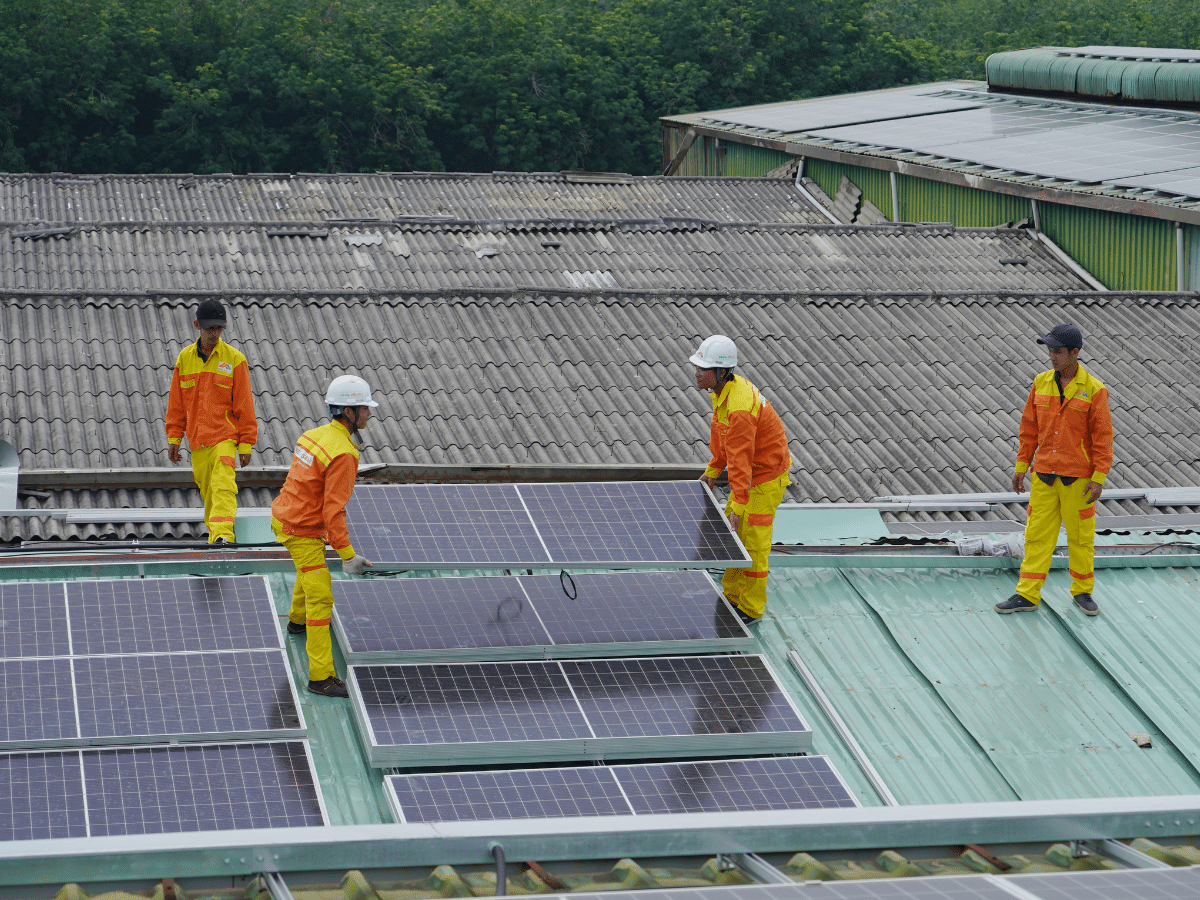
Most solar installers underestimate how much business insurance can protect their work and earnings. Missing the right coverage can lead to costly setbacks that slow your growth.
This guide breaks down what solar installers insurance covers, what insurance costs Australia businesses face, and how to compare insurance quotes to find the best fit for your solar contracting business.
Understanding Business Insurance
Business insurance plays a crucial role in safeguarding your solar installation business. Let’s dive into how this protection can be a game-changer for you.
Importance for Solar Installers
Imagine a sudden mishap on a job site. Without the right insurance, you’re left covering costs out of pocket. Insurance protects your business from these unexpected expenses.
It ensures you’re not financially drained by accidents or damages. Even the most careful businesses face risks. Having insurance means you can focus on growing your business, knowing you’re covered if anything goes wrong.
Key Insurance Types
There are various types of insurance you might need. Public liability insurance is essential. It covers damages or injuries to third parties. Then there’s professional indemnity insurance.
This protects against claims of negligence or mistakes. Workers’ compensation insurance is crucial if you have employees. It covers medical expenses and lost wages if they’re injured at work. These types of insurance form a safety net around your business.
Protecting Your Business
Protecting your business is more than just having insurance. It’s about choosing coverage that matches your specific needs. A tailored policy ensures you’re not paying for coverage you don’t need.
It also means you’re not left vulnerable to gaps in protection. By assessing your unique business risks, you can select insurance that truly shields your operations.
Navigating Insurance Costs in Australia
Understanding what affects your insurance costs is key to managing them. Let’s explore the factors and how to keep expenses in check.
Factors Affecting Costs
Several factors influence insurance costs. The size of your business and your claims history are significant. Larger businesses often face higher premiums. Similarly, a history of claims can increase costs.
The type of work you do also matters. High-risk jobs might lead to higher premiums. Additionally, the location of your business can impact costs. Areas prone to natural disasters might see higher rates. Understanding these factors helps you anticipate and manage costs effectively.
Budget-Friendly Options
You don’t always have to break the bank for good coverage. Look for policies designed for small businesses. These often offer essential coverage at a lower price. Bundling different types of insurance can also lead to savings.
Many insurers offer discounts for combined policies. Another tip is to compare quotes from various providers. This helps you find a competitive rate without sacrificing coverage.
Long-Term Financial Planning
Insurance costs are an investment in your business’s future. Planning for these expenses is crucial. Set aside a portion of your budget for insurance. This ensures you’re not caught off guard by premium payments.
Regularly reviewing your coverage needs can also help. As your business grows, your insurance needs might change. Staying on top of these changes prevents unexpected costs down the line.
Comparing Insurance Quotes
Choosing the right insurance requires comparing different options. Here’s how to do it effectively and avoid common mistakes.
Key Features to Consider
When comparing quotes, focus on the coverage details. Look at the limits of liability and what’s included or excluded. Some policies might offer higher limits or more comprehensive coverage. Excess fees are another critical factor.
Lower premiums might come with higher excesses, so weigh this carefully. Finally, consider the insurer’s reputation. Reliable providers often deliver better service when you need it most.
Steps to Compare Effectively
Start by gathering quotes from at least three different providers. Make a list of your business needs and ensure each quote meets them. Take note of any differences in coverage or fees.
It’s helpful to talk to an insurance advisor. They can provide insights into which policies fit your needs best. Don’t rush the process. Taking your time to compare means you’re more likely to make a wise choice.
Common Pitfalls to Avoid
One common mistake is choosing a policy solely on price. The cheapest option isn’t always the best. It might lack necessary coverage, leading to higher costs in the long run. Another pitfall is misunderstanding the policy terms. Always read the fine print to know exactly what you’re getting.
Finally, don’t forget to reassess your insurance needs regularly. As your business changes, your insurance should too.
Tailoring Insurance for Solar Installers
Solar installers have unique insurance needs. Let’s look at how to customize your coverage for optimal protection.
Specific Needs for Solar Contractors
Your work involves unique risks. For instance, working on rooftops increases the chance of accidents. This makes liability insurance crucial. If you offer design or consultation services, professional indemnity insurance is vital.
It covers claims of negligence or errors. Understanding these specific needs helps you choose the right coverage.
Customizing Coverage
The best insurance is tailored to your business. Start by identifying your primary risks. Are you more concerned about equipment damage or third-party claims? Customize your policy to address these concerns.
Talk to your insurer about adding specific endorsements or riders. This ensures your coverage is as comprehensive as possible. Customization means you’re not paying for unnecessary coverage, and you’re fully protected where it counts.
Benefits of Specialized Insurance
Specialized insurance offers several advantages. It provides peace of mind, knowing you’re covered for industry-specific risks. Tailored policies often include perks like risk management advice. This proactive approach can prevent claims before they happen.
Additionally, specialized coverage often leads to faster claims processing. This means less downtime for your business, allowing you to continue operations smoothly.
Encouraging Inquiries and Engagement
Understanding your insurance options is the first step. Now, let’s explore how to move forward with getting a quote and engaging with providers.
How to Get a Quote
Getting a quote is straightforward. Start by listing your coverage needs. Then reach out to insurance providers with this information. Many offer online quote tools for convenience. Don’t hesitate to call and ask questions.
This ensures you get a comprehensive quote that meets your needs. Remember, getting multiple quotes is key to finding the best deal.
Contacting Insurance Providers
Reach out to providers directly for personalized service. This allows you to ask specific questions about coverage options. Providers can offer guidance on tailoring a policy to fit your business.
This interaction also gives you a feel for their customer service. A provider that’s helpful and responsive is invaluable when you need to make a claim.
Encouraging Business Growth Through Insurance
Insurance isn’t just a safety net. It’s a tool for business growth. By protecting your assets, you can take on new projects with confidence. This security allows you to focus on expanding your business.
Moreover, having the right insurance can enhance your reputation. Clients prefer working with businesses that are well-protected. This trust can lead to more opportunities and long-term success.