

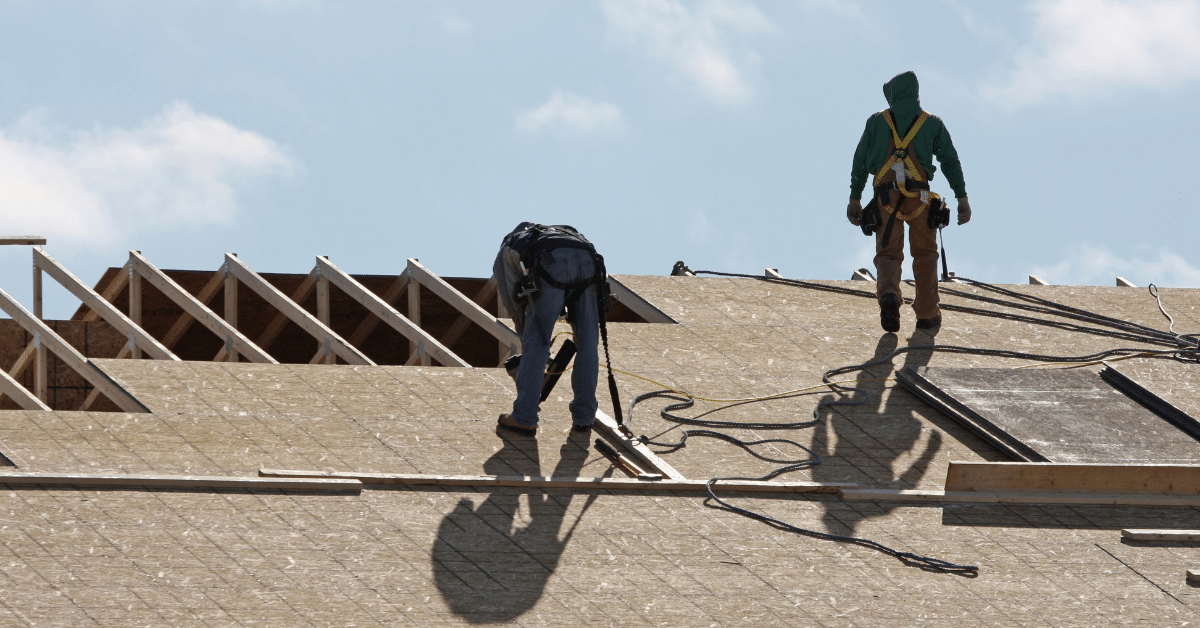
Navigating the world of insurance can be a daunting task for roofing professionals and contractors, but understanding your options is crucial to protecting your business.
With roofing being a high-risk industry, securing the right insurance coverage is more than just a precaution—it’s a necessity.
From liability insurance for roofing projects to comprehensive policies tailored for specific needs, the array of choices can be overwhelming.
This guide will walk you through essential insurance types, such as roofing business insurance and contractor insurance, offering insights into what makes the best insurance for roofers.
Equip yourself with the knowledge to make informed decisions that safeguard your livelihood and ensure peace of mind on every project.
Importance of Insurance for Roofers
Insurance for roofers is not just a legal requirement in many areas; it’s a vital safeguard for your business. Roofing work involves significant risks, both to workers and property.
Without proper coverage, a single accident or mistake could lead to financial ruin. Insurance protects against liability claims, property damage, and worker injuries.
For clients, knowing a roofer is insured provides peace of mind and can be a deciding factor in choosing a contractor. It demonstrates professionalism and responsibility, setting insured roofers apart in a competitive market.
Types of Roofing Insurance Coverage
Roofing insurance encompasses several types of coverage, each addressing specific risks associated with the trade. The main types include general liability, workers’ compensation, and commercial auto insurance.
General liability insurance protects against third-party claims of bodily injury or property damage. Workers’ compensation covers medical expenses and lost wages for employees injured on the job.
Commercial auto insurance is essential for roofers who use vehicles for business purposes. Additional coverages may include tools and equipment insurance, umbrella policies for extra liability protection, and bonds required for certain contracts.
Common Claims in Roofing Businesses
Roofing businesses face various risks that can lead to insurance claims. Understanding these common scenarios can help in selecting appropriate coverage.
Property damage claims often arise from accidents during roof installations or repairs. This might include damage to the client’s home or neighboring properties.
Personal injury claims can occur if a passerby is injured by falling debris or if a client trips over equipment left on their property. Worker injury claims are also frequent due to the physical nature of roofing work.
Weather-related claims are another concern, especially in areas prone to severe storms or hurricanes that can damage ongoing projects.
Liability Insurance for Roofing Professionals
Liability insurance is a cornerstone of protection for roofing professionals. This section delves into general liability insurance, its benefits, and how to choose the best coverage for your roofing business.
General Liability Insurance Explained
General liability insurance is a fundamental policy for roofing contractors. It provides coverage for third-party bodily injury and property damage claims that may arise from your roofing operations.
This type of insurance typically covers legal fees, medical expenses, and settlements if you’re found liable for an accident. It’s often required by clients before starting a project.
General liability can also cover advertising injuries, such as copyright infringement or slander, which is important for protecting your business’s reputation.
Benefits of Roofing Business Insurance
Roofing business insurance offers numerous advantages beyond mere legal compliance. It provides financial protection against potentially devastating lawsuits and claims.
With proper insurance, you can take on larger projects and clients who require specific coverage levels. This can lead to business growth and increased revenue opportunities.
Insurance also demonstrates professionalism to clients and partners, potentially giving you an edge over uninsured competitors. In some cases, it may even lower your overall business costs by preventing out-of-pocket expenses for accidents or damages.
Choosing the Best Insurance for Roofers
Selecting the best insurance for roofers involves carefully assessing your business needs and risks. Consider the size of your company, types of projects you undertake, and your location.
Look for policies that offer comprehensive coverage specific to roofing risks. This might include height-related accidents, weather damage, or equipment theft.
Compare quotes from multiple providers, but don’t just focus on price. Evaluate the coverage limits, deductibles, and any exclusions. Consider working with an insurance agent who specializes in construction or roofing to ensure you’re getting appropriate coverage.
Contractor Insurance Options
Contractor insurance encompasses various policies designed to protect roofing professionals. This section focuses on essential coverages including workers’ compensation, commercial auto insurance, and tools and equipment protection.
Workers’ Compensation Insurance Essentials
Workers’ compensation insurance is crucial for roofing contractors who employ workers. It provides coverage for medical expenses and lost wages if an employee is injured on the job.
In most states, workers’ compensation is legally required for businesses with employees. It protects both the worker and the employer from financial hardship due to work-related injuries.

This insurance can also cover rehabilitation costs and disability benefits for more severe injuries. By having this coverage, you can ensure your employees are protected and your business is compliant with state regulations.
Commercial Auto Insurance for Roofing Contractors
Commercial auto insurance is vital for roofing contractors who use vehicles for business purposes. It covers damages and liabilities related to company-owned or personal vehicles used for work.
This insurance typically includes collision coverage, comprehensive coverage for non-collision incidents, and liability protection for accidents involving other vehicles or property.
For roofing contractors, it’s important to ensure that tools and materials transported in vehicles are also covered. Some policies may offer additional features like rental reimbursement or roadside assistance.
Tools and Equipment Coverage
Tools and equipment coverage, often called inland marine insurance, protects the valuable tools and equipment roofers use daily. This coverage is essential as standard property insurance may not adequately protect mobile equipment.
This insurance can cover theft, damage, or loss of tools and equipment both on the job site and during transportation. It’s particularly important for expensive or specialized roofing equipment.
Consider policies that offer replacement cost coverage rather than actual cash value to ensure you can replace lost or damaged items with new ones without significant out-of-pocket expenses.
Factors Influencing Insurance Costs
Understanding the factors that affect insurance costs can help roofing professionals make informed decisions about their coverage. This section explores risk assessment, location impacts, and policy customization.
Assessing Risk in Roofing Projects
Risk assessment is a key factor in determining insurance costs for roofing projects. Insurance providers evaluate the types of projects you undertake and your safety practices.
Working on high-rise buildings or with hazardous materials typically increases risk and, consequently, insurance premiums. Conversely, implementing strict safety protocols can help reduce rates.
Your claims history also plays a significant role. A track record of few or no claims can lead to lower premiums, while frequent claims may result in higher costs or difficulty obtaining coverage.
Impact of Location on Insurance Rates
The location of your roofing business significantly influences insurance rates. Areas prone to severe weather events like hurricanes or tornadoes often have higher premiums due to increased risk.
Urban areas might have higher rates due to increased population density and potential for property damage or injury claims. However, proximity to emergency services can be a positive factor.
Local regulations and building codes also affect insurance costs. Stricter codes may lead to safer practices but can increase project costs, impacting overall insurance needs.
Customizing Policies for Your Business
Customizing your insurance policies to fit your specific business needs can optimize coverage and costs. This involves carefully assessing your operations and potential risks.
Consider factors like the size of your business, types of projects you typically handle, and any specialized services you offer. These details can help insurers tailor policies to your unique situation.
Bundling different types of coverage with one insurer often results in discounts. However, ensure that the combined policy still provides adequate protection for all aspects of your business.
Tips for Selecting the Right Insurance
Choosing the right insurance is crucial for protecting your roofing business. This section provides guidance on comparing providers, evaluating policy features, and navigating the claims process.
Comparing Insurance Providers
When comparing insurance providers, look beyond just the price. Consider the company’s financial stability, reputation for customer service, and experience in the construction industry.
Research customer reviews and ratings from independent agencies. This can provide insight into how the insurer handles claims and customer inquiries.
Don’t hesitate to ask potential providers about their specific experience with roofing businesses. An insurer familiar with the industry can offer more tailored advice and coverage options.
Evaluating Policy Features and Limits
Carefully review the features and limits of each policy you’re considering. Ensure that the coverage limits are sufficient for your business size and the types of projects you undertake.
Pay attention to policy exclusions and limitations. Some policies may have restrictions on height limits or specific types of roofing work that could leave you exposed.
Consider additional endorsements or riders that can provide extra protection for specific risks relevant to your business, such as pollution liability or cyber security coverage.
Navigating the Claims Process Effectively
Understanding the claims process before you need to use it is crucial. Familiarize yourself with your insurer’s claims procedures and required documentation.
Maintain detailed records of all projects, including contracts, work orders, and photographs. This documentation can be invaluable if you need to file a claim.
Establish a clear internal process for reporting incidents and potential claims. Quick and accurate reporting can significantly improve the outcome of a claim and maintain good standing with your insurer.