

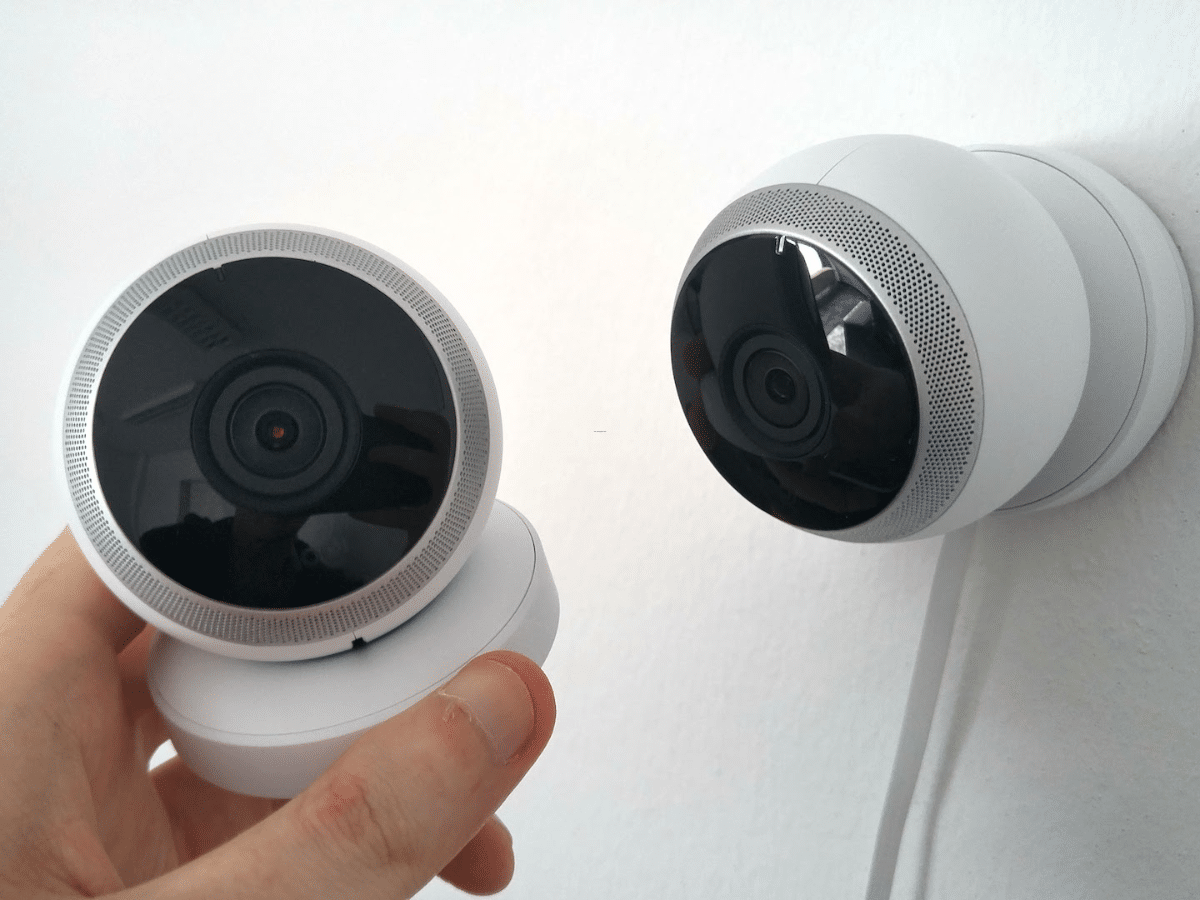
Most security installers in Australia overlook one crucial step: securing the right business insurance. Skipping this leaves your security business exposed to costly risks that can wipe out your hard work overnight.
In this guide, you’ll learn exactly what installation services insurance you need, how much insurance costs typically run, and smart ways to compare insurance options before making a decision.
Understanding Business Insurance
Navigating the world of business insurance can seem complex, but it’s crucial for safeguarding your security installation business. Let’s dive into why this matters.
Why Security Installers Need Insurance
Your business faces unique risks every day. Insurance serves as a safety net, protecting you from unexpected challenges. Imagine a scenario where a client claims your installation caused damage.
Without the right coverage, you could face significant financial strain. Insurance reduces this risk, providing peace of mind and allowing you to focus on delivering quality service. Beyond protection, having insurance can enhance your credibility. Clients and partners often feel more secure knowing your business is covered.
Key Insurance Types for Security Businesses
Several insurance policies can protect your security business. Public liability insurance is essential. It covers damages or injuries that occur due to your work. Another important type is professional indemnity insurance.
This protects against claims of negligence or mistakes in your service. Consider equipment insurance as well. It covers the tools you rely on daily. Each type plays a role in safeguarding different aspects of your business. By combining these, you create a robust safety net.
Protecting Your Installation Services
Protecting your business goes beyond having the right equipment. Insurance ensures your services are shielded from potential pitfalls. For example, if an installation goes wrong, professional indemnity insurance steps in.
It helps manage legal costs, sparing your resources. Public liability insurance, on the other hand, protects against on-site accidents. This is crucial if a client or bystander is injured during your work. By covering these risks, insurance allows you to focus on growth without constant worry.
Insurance Costs and Budgeting
Understanding the costs of insurance is vital for your business planning. Here’s what influences these costs and how you can budget effectively.
Factors Influencing Insurance Costs
Several factors affect how much you’ll pay for insurance. The size of your business is one. Larger operations often face higher premiums. The types of services you offer also matter. High-risk services may increase costs.
Location plays a role, too, as areas with higher crime rates might lead to higher premiums. Your claims history can influence costs. A history of frequent claims might increase your rates. Keeping these factors in mind helps you anticipate your expenses.
Budgeting for Business Insurance
Planning your insurance budget is essential. Start by listing all potential coverage types. Then, get quotes from multiple providers. This helps you find competitive rates. Factor these costs into your overall business budget.
It’s wise to set aside a contingency fund as well. This can cover unexpected increases or additional coverage needs. Regularly reviewing your insurance needs ensures you stay protected without overspending.
Comparing Insurance Providers
Choosing the right insurance provider is as important as selecting the right coverage. Start by researching each provider’s reputation. Look for reviews and ratings from other clients. Compare the coverage options they offer.
Ensure they provide the specific policies your business needs. Also, consider their customer service. A provider who is responsive and helpful can make a big difference. Taking these steps ensures you choose a provider that supports your business goals.
Comparing Insurance for Security Installers
The insurance market is vast. Knowing how to compare different plans helps you find the best fit for your business.
How to Compare Insurance Plans
When comparing insurance plans, focus on coverage details first. Look beyond the price to understand what’s included. Check the limits of each policy. Are they enough to cover potential claims? Consider any exclusions that might leave you vulnerable.
Next, evaluate the deductible amounts. Higher deductibles often mean lower premiums, but ensure you can afford them if needed. By analyzing these aspects, you find a plan that truly protects your business.
Finding the Right Coverage for Your Business
Securing the right coverage is about matching policies to your specific needs. Begin by listing the risks unique to your business. Then, align these with the insurance options available. Consult with an insurance expert if needed.
They can provide insights into complex policies. Remember, the goal is comprehensive protection. A tailored approach ensures you’re covered where it matters most. This careful selection process prevents costly surprises down the line.
Common Mistakes When Comparing Insurance
Avoiding common insurance pitfalls starts with awareness. One mistake is choosing based solely on price. This might lead to inadequate coverage. Another error is not updating your policies regularly. As your business evolves, so should your insurance.
Failing to read the fine print is another pitfall. It can lead to misunderstandings about coverage limits. By staying informed and attentive, you ensure your insurance meets your current and future needs.
Navigating the Australian Insurance Market
Understanding local insurance regulations and tips can help you navigate the Australian market effectively.
Understanding Australia’s Insurance Regulations
Australia has specific insurance regulations that guide businesses. Familiarize yourself with these to ensure compliance. Regulations determine minimum coverage requirements. They also influence how claims are handled.
Understanding these rules helps you choose compliant policies. It also ensures smooth claims processes. Staying informed about regulatory changes is vital. It keeps your business protected and aligned with legal standards.
Tips for Security Installers in Australia
As a security installer, consider these tips for insurance. First, assess the specific risks of your installations. This guides your coverage choices. Next, keep detailed records of all installations.
This documentation is crucial if you need to file a claim. Also, regularly review your insurance needs. Your business might face new risks as it grows. Adjusting your coverage ensures continued protection. By following these tips, you maintain a strong safety net.
Resources for Australian Entrepreneurs
Access to resources makes managing insurance easier. The Australian Government’s business website offers valuable information. It covers regulatory updates and insurance guides. Industry associations provide insights tailored to security installers.
They offer networking opportunities as well. Engaging with these resources keeps you informed and connected. This support network helps you make informed insurance decisions.
Taking Action for Your Security Business
Now is the time to assess and enhance your insurance coverage. Here’s how to take proactive steps for your business.
Evaluating Your Current Insurance Needs
Begin by reviewing your current policies. Are they aligned with your business’s current operations? Consider any changes in your services or client base. This evaluation helps identify gaps in coverage. It also highlights areas where you might be over-insured. Adjusting your policies ensures optimal protection. Regular evaluations keep your insurance in line with your business’s evolution.
Steps to Secure Comprehensive Coverage
Securing comprehensive coverage involves clear steps. Start by listing all potential risks. Then, research the policies that address these. Compare quotes from multiple providers. This ensures competitive pricing.
Consult an insurance advisor if needed. They offer expert insights to refine your choices. Finally, review your policies annually. This habit keeps your coverage current. By following these steps, you build a solid insurance foundation.
Engaging with Insurance Professionals
Working with insurance professionals offers many benefits. They provide personalized advice for your business. Their expertise ensures you understand complex policies. Professionals can also negotiate better terms on your behalf.
This can lead to cost savings and enhanced coverage. Building a relationship with a trusted advisor is invaluable. They become a partner in your business’s success, offering ongoing support and insights.