


Navigating the world of financing can be a daunting task for electricians seeking to expand their business or acquire new equipment.
With the right electrician financing options, tradesmen can pave the way for growth and success in their field. From loans for electricians to specialized financing tools and equipment, there are numerous pathways to explore.
This comprehensive guide will shed light on the best loans for tradesmen and provide insights into how to finance electrician training and secure electrician business loans.
Whether you’re looking to upgrade your equipment or invest in your professional development, understanding these options can be a game-changer for your career.
Loans for Electricians Explained
Loans for electricians are financial products designed to meet the specific needs of electrical contractors and businesses. These loans can be used for various purposes, including equipment purchases, business expansion, and working capital.
Traditional lenders, such as banks, offer these loans, but specialized lenders also cater to the trades industry. The terms and conditions of these loans vary, with some offering fixed interest rates and others providing flexible repayment options.
Electricians can choose from secured loans, which require collateral, or unsecured loans, which don’t require assets as security but may have higher interest rates. The loan amount and repayment period depend on factors like the borrower’s credit score, business history, and financial needs.
Benefits of Electrician Business Loans
Electrician business loans offer several advantages for professionals in the field. These loans provide the necessary capital to invest in growth opportunities and overcome financial challenges.
One key benefit is the ability to purchase new equipment or upgrade existing tools, allowing electricians to take on more complex projects and increase efficiency. This can lead to higher revenue and improved customer satisfaction.
Business loans also enable electricians to hire additional staff, expand their service area, or open new locations. This growth potential can result in increased profits and a stronger market presence.
Moreover, these loans can help manage cash flow during slow periods or when dealing with delayed payments from clients. This financial stability ensures that electricians can continue operations smoothly and meet their business obligations.
Key Factors in Choosing Financing
When selecting a financing option, electricians should consider several crucial factors to ensure they make the best decision for their business needs.
Interest rates play a significant role in the overall cost of the loan. It’s essential to compare rates from different lenders and understand whether they are fixed or variable. Lower interest rates can result in substantial savings over the life of the loan.
Loan terms, including the repayment period and frequency of payments, should align with the electrician’s cash flow and business model. Longer terms may offer lower monthly payments but can result in higher total interest paid.
Fees associated with the loan, such as origination fees, prepayment penalties, or late payment charges, should be carefully evaluated. These additional costs can impact the total amount borrowed and the overall affordability of the loan.
Lastly, the lender’s reputation and customer service should be considered. Working with a reputable lender who understands the electrical industry can provide valuable support and guidance throughout the loan process.
Types of Loans for Tradesmen
Tradesmen, including electricians, have access to various loan types tailored to their specific needs. This section explores traditional bank loans, credit unions, and online lending platforms as potential sources of financing.
Traditional Bank Loans
Traditional bank loans remain a popular choice for electricians seeking financing. These loans often offer competitive interest rates and favorable terms for borrowers with strong credit profiles.
Banks typically provide both secured and unsecured loans. Secured loans require collateral, such as equipment or property, which can result in lower interest rates. Unsecured loans don’t require collateral but may have stricter eligibility criteria and higher rates.
The application process for bank loans can be lengthy and requires extensive documentation. Electricians need to provide financial statements, tax returns, and a detailed business plan. While this process can be time-consuming, it often results in more favorable terms for those who qualify.
Credit Unions and Cooperatives
Credit unions and cooperatives offer an alternative to traditional banks for electricians seeking loans. These member-owned financial institutions often provide more personalized service and competitive rates.
Many credit unions specialize in serving specific industries or local communities, which can be beneficial for electricians. This specialized focus may result in a better understanding of the unique needs and challenges faced by electrical contractors.
To access loans from credit unions, electricians typically need to become members. Membership requirements vary but may include living in a specific area or being part of a particular professional association. Once a member, electricians can benefit from potentially lower fees and more flexible loan terms.
Online Lending Platforms
Online lending platforms have emerged as a convenient and accessible option for electricians seeking financing. These platforms connect borrowers with various lenders, offering a streamlined application process and quick funding.
One advantage of online lenders is their use of alternative data for credit decisions. This can benefit electricians who may not have extensive credit histories or those with less-than-perfect credit scores. Factors such as business revenue and cash flow may be considered alongside traditional credit metrics.
Online loans often feature faster approval times and funding compared to traditional lenders. However, interest rates can be higher, especially for unsecured loans or borrowers with lower credit scores. Electricians should carefully review the terms and conditions of online loans to ensure they align with their business needs and financial capabilities.
Financing Tools and Equipment
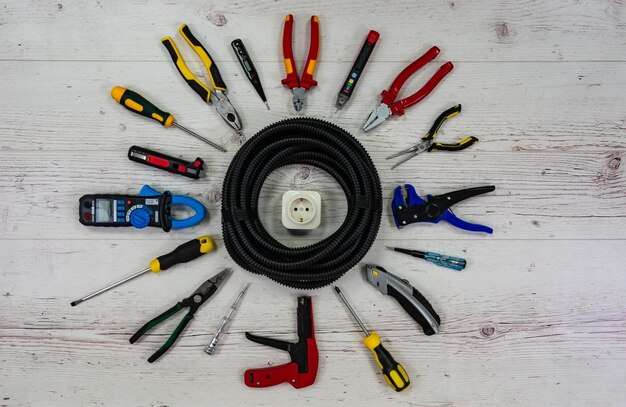
For electricians, having access to the right tools and equipment is crucial for success. This section explores various options for financing these essential business assets.
Equipment Financing Solutions
Equipment financing solutions provide electricians with the means to acquire necessary tools and machinery without a large upfront investment. These loans are specifically designed for purchasing equipment and often use the equipment itself as collateral.
One advantage of equipment financing is that it allows electricians to preserve working capital for other business needs. The loan terms are typically aligned with the expected lifespan of the equipment, making it easier to budget for payments.
Many equipment financing solutions offer flexible repayment options, such as seasonal payments for businesses with fluctuating income. This can be particularly beneficial for electricians who experience busy and slow periods throughout the year.
Leasing vs. Buying Equipment
When it comes to acquiring equipment, electricians often face the decision of whether to lease or buy. Both options have their advantages and considerations.
Leasing equipment typically requires lower upfront costs and may include maintenance and upgrades as part of the agreement. This can be beneficial for electricians who want to access the latest technology without a significant capital investment.
Buying equipment, on the other hand, allows electricians to build equity in their assets. While it may require a larger initial investment, owned equipment can be used as collateral for future loans and may offer tax benefits through depreciation.
|
Leasing |
Buying |
|---|---|
|
Lower upfront costs |
Build equity in assets |
|
Potential for upgrades |
Potential tax benefits |
|
Maintenance may be included |
Full ownership |
|
Fixed monthly payments |
Higher initial investment |
Best Loans for Tools and Equipment
When seeking loans for tools and equipment, electricians have several options to consider. The best loan will depend on factors such as the cost of the equipment, the electrician’s credit profile, and their business needs.
For large equipment purchases, term loans from banks or credit unions often offer competitive rates and longer repayment periods. These loans can be ideal for financing expensive machinery or vehicles.
For smaller tools or equipment, business credit cards or lines of credit can provide flexibility and quick access to funds. Some credit cards offer 0% introductory APR periods, which can be beneficial for short-term financing needs.
Specialized equipment lenders may offer tailored solutions for electricians, including loans that consider the value of the equipment being purchased. These lenders may have a better understanding of the industry and can provide more flexible terms.
Financing Electrician Training
Investing in education and training is crucial for electricians looking to advance their careers. This section explores various options for financing electrician training and professional development.
How to Finance Electrician Training
Financing electrician training involves exploring various options to cover the costs of education and certification programs. Personal loans, credit cards, and payment plans offered by training institutions are common methods.
Some employers offer tuition reimbursement programs for employees seeking additional training. This can be an excellent way for electricians to upgrade their skills while minimizing out-of-pocket expenses.

For those considering formal education, federal and private student loans may be available. It’s important to compare interest rates and repayment terms carefully when considering these options.
Scholarships and Grants for Electricians
Scholarships and grants provide financial assistance that doesn’t need to be repaid, making them an attractive option for financing electrician training. Many organizations offer these opportunities specifically for trades professionals.
Trade associations, such as the National Electrical Contractors Association (NECA), often provide scholarships for aspiring electricians. These awards may cover tuition, books, and other educational expenses.
Government agencies and private foundations also offer grants for vocational training. Electricians should research opportunities at both the federal and state levels to find programs that align with their educational goals.
Apprenticeship Program Funding
Apprenticeship programs offer a unique opportunity for electricians to earn while they learn. These programs typically combine on-the-job training with classroom instruction.
Many apprenticeship programs are funded by employers or unions, reducing or eliminating the cost for participants. Some programs may even provide a stipend or salary during the training period.
For those who need additional financial support during an apprenticeship, some organizations offer grants or low-interest loans specifically for apprentices. These funds can help cover living expenses or additional training materials.
Applying for Electrician Loans
Securing a loan requires careful preparation and understanding of the application process. This section provides guidance on how electricians can improve their chances of loan approval.
Preparing Your Business Plan
A well-crafted business plan is essential when applying for electrician loans. It demonstrates to lenders that you have a clear vision for your business and understand your financial needs.
Your business plan should include:
-
An executive summary outlining your business goals and loan purpose
-
A description of your services and target market
-
Financial projections, including revenue forecasts and expense estimates
-
A marketing strategy for attracting and retaining clients
-
An analysis of your competition and your unique selling points
Lenders will use this information to assess the viability of your business and your ability to repay the loan. Be sure to include realistic financial projections and a clear explanation of how the loan will contribute to your business growth.
Improving Your Credit Score
A strong credit score can significantly improve your chances of loan approval and help you secure better interest rates. Here are some steps electricians can take to improve their credit:
-
Review your credit report regularly and dispute any errors
-
Pay all bills on time, including utilities and credit card payments
-
Reduce your credit utilization ratio by paying down existing debts
-
Avoid applying for new credit unnecessarily, as this can result in hard inquiries on your credit report
-
Consider becoming an authorized user on a family member’s credit card with a good payment history
Remember that improving your credit score takes time. Start working on these steps well before you plan to apply for a loan to maximize your chances of approval.
Understanding Loan Application Requirements
Each lender has specific requirements for loan applications. Understanding these requirements can help streamline the application process and improve your chances of approval.
Common documents required for electrician loan applications include:
-
Personal and business tax returns for the past 2-3 years
-
Bank statements for both personal and business accounts
-
Proof of business ownership and licenses
-
Financial statements, including profit and loss statements and balance sheets
-
A detailed list of business assets and liabilities
-
Personal identification and proof of address
Some lenders may require additional documentation, such as contracts for upcoming projects or proof of insurance. Be prepared to provide these documents promptly to avoid delays in the application process.
It’s also important to understand the lender’s criteria for approval, such as minimum credit score requirements, time in business, and annual revenue thresholds. This information can help you determine which loans you’re most likely to qualify for before applying.